
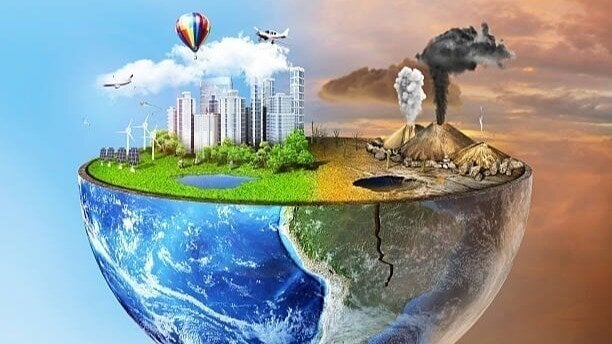
The world is experiencing one of the most intense phases of environmental transformation in human history. Rising temperatures, extreme weather events, melting glaciers, declining biodiversity, and increasing pollution all highlight a clear truth: climate change is no longer a distant threat — it is a present reality.
As we enter 2025 and beyond, sustainability and climate adaptation have become the central pillars of global policy, business strategy, and community action. This article examines the future of sustainable development, climate resilience, green innovation, and the urgent need for collective responsibility.
1. The Global Climate Crisis: Understanding the Urgency
Climate change is accelerating faster than predicted. Nations around the world are witnessing:
- Unpredictable monsoon patterns
- Record-breaking heatwaves
- Rapid glacier melting
- Frequent floods and droughts
- Rising sea levels
These events disrupt agriculture, health, infrastructure, and the overall quality of life.
Why Climate Adaptation Is Crucial
Climate adaptation focuses on preparing societies to withstand and minimize climate impacts, involving:
- Climate-resilient agriculture
- Flood-resistant infrastructure
- Water-saving technologies
- Early-warning disaster systems
Adaptation is no longer optional — it is a survival strategy.
2. Sustainability: The Foundation of a Thriving Future
Sustainability means meeting today’s needs without compromising future generations’ ability to meet theirs. This requires a shift in:
- Lifestyle choices
- Energy sources
- Industrial processes
- Economic development models
The Three Pillars of Sustainability
- Environmental Sustainability – Protecting ecosystems
- Economic Sustainability – Supporting long-term growth
- Social Sustainability – Ensuring human well-being
A sustainable world requires balance among all three pillars.
3. Green Technology: The Engine of Future Growth
Green technology (GreenTech) is revolutionizing the fight against climate change. Its purpose is simple: reduce carbon footprint and promote energy efficiency while accelerating economic growth.
Key Green Technologies Transforming the World
- Solar and wind energy solutions
- Electric vehicles and battery storage
- Biofuel innovations
- Smart grids and micro-grids
- Low-carbon construction materials
- Water purification technologies
- Waste-to-energy systems
Green Tech in Developing Countries
Nations like India are adopting cost-effective green innovations, such as:
- Solar-powered pumps for farmers
- Affordable EV charging stations
- Rooftop solar programs
- Biomass-based rural energy
- Smart irrigation systems
Green technology ensures sustainable development without slowing economic expansion.
4. Corporate Sustainability & Net-Zero Strategies
Companies worldwide are committing to Net Zero emissions, meaning they will remove as much carbon as they emit.
What Corporate Net Zero Really Means
It involves:
- Switching to renewable energy
- Reducing emissions across supply chains
- Innovating with eco-friendly materials
- Investing in carbon capture systems
- Transparent sustainability reporting
The Reality Behind Net Zero Claims
Many promises are often:
- Vague
- Long-term
- Difficult to track
True sustainability requires businesses to embrace short-term actionable steps, not just long-term promises.
5. Community-Based Sustainability Models
Communities play a crucial role in creating sustainable futures. Local and grassroots-level initiatives often bring the biggest impact.
Examples of Community Sustainability Programs
- Zero-plastic villages
- Lake and river rejuvenation missions
- Community composting projects
- Shared rooftop garden collaborations
- Water harvesting initiatives
These models create a sense of ownership and drive meaningful action on the ground.
6. The Role of Agriculture in Climate Adaptation
Agriculture is one of the sectors most affected by climate change.
How Climate Change Impacts Farming
- Reduced crop yields
- Soil degradation
- Pest infestations
- Water scarcity
Climate-Resilient Farming Solutions
- Drought-resistant seeds
- Organic fertilizers
- Precision farming
- AI-based weather prediction
- Drip irrigation
- Agroforestry (integrating trees with crops)
Sustainable agriculture not only increases farmers’ income but also boosts food security.
7. Water Conservation: The Heart of Climate Action
Water scarcity is becoming a global crisis, and sustainable methods are essential to protecting this vital resource.
Key Water Conservation Techniques
- Rainwater harvesting
- Recycled water systems
- Smart irrigation
- Greywater reuse
- Efficient sanitation systems
Urban Water Management
Cities must adopt:
- Permeable pavements
- Stormwater collection
- Water-efficient appliances
- Urban wetlands
Sustainable water solutions are essential for long-term resilience.
8. Renewable Energy: Powering a Cleaner Future
Renewable energy is the fastest-growing solution to reduce carbon emissions.
Solar Energy
Solar power is becoming more accessible and affordable, enabling:
- Solar rooftops
- Solar lanterns
- Solar farms
Wind Energy
Wind energy is powering entire communities, offering:
- Low-cost scalability
- Minimal environmental impact
Hydropower and Biomass
Hydropower remains a stable source of clean energy, while biomass provides energy access to rural communities.
Renewables will soon replace fossil fuels as the primary global energy source.
9. Sustainable Transportation: The EV Revolution
Transportation is responsible for nearly 25% of global carbon emissions. The shift toward Electric Vehicles (EVs) is vital for a sustainable future.
Why EVs Are the Future
- Zero tailpipe emissions
- Lower long-term costs
- Government subsidies
- Increasing availability
The Future of Mobility Includes
- Electric buses
- Battery-swapping EV stations
- Solar-powered e-rickshaws
- Hydrogen-powered vehicles
A clean mobility ecosystem will shape a pollution-free future.
10. Waste Management & Circular Economy
A circular economy moves away from “use and throw” to “reuse, recycle, regenerate.”
Principles of Circular Economy
- Design products to last longer
- Recycle and upcycle materials
- Minimize waste at every stage
- Convert waste into energy
The Future of Sustainable Waste Management
- Smart waste bins
- Waste segregation at the source
- Compostable packaging
- Zero-waste manufacturing
Circular economies reduce pollution while creating profitable business opportunities.
11. Climate Adaptation Infrastructure
Countries must redesign their infrastructure to adapt to rising climate risks.
Climate-Resilient Infrastructure Includes
- Elevated roads
- Flood-proof buildings
- Storm-resistant housing
- Heat-resistant construction materials
- Smart city technology
Smart Cities Leading the Way
Smart city programs integrate:
- IoT sensors
- Climate monitoring systems
- Traffic optimization
- Early-warning systems
The goal is to build cities that adapt to and withstand climate stress.
12. The Future: Sustainability as a Global Responsibility
Climate change is not a national issue — it is a global one. Every individual, business, and government has a role.
What Individuals Can Do
- Reduce personal carbon footprint
- Use public transportation
- Adopt solar energy
- Choose sustainable products
- Minimize waste
What Governments Must Do
- Enforce environmental regulations
- Prioritize renewable energy
- Protect forests and water bodies
- Support green industries
What Businesses Should Focus On
- Eco-friendly operations
- ESG (Environmental, Social, Governance) compliance
- Transparent sustainability reporting
The future of our planet depends on unified action.
13. The Power of Innovation in Global Climate Action
Sustainable innovation will determine our journey to a cleaner future. Technologies like:
- Carbon capture
- Green hydrogen
- Vertical farming
- AI-powered climate prediction
- Biodegradable plastics
are redefining the next era of global development.
Innovation, combined with responsibility, will ensure a resilient and sustainable world.
Conclusion: Building a Climate-Ready Future
Sustainability and climate adaptation are not trends — they are essential pathways to survival and growth. As global challenges intensify, smart policies, green technologies, responsible businesses, and aware citizens must work together to build a climate-resilient future.
The next decade will be defined by how effectively humanity embraces sustainability and adapts to the evolving climate.